Q1: What is the history of Jama Masjid, Mumbai?
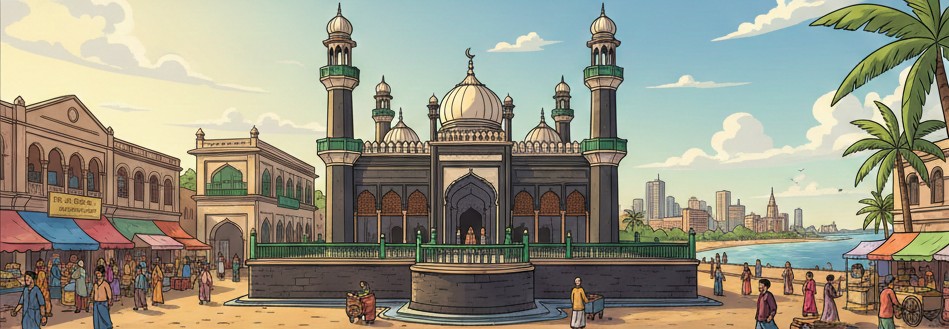
A1: Jama Masjid, Mumbai was built in 1802 and is one of the city’s oldest mosques. It was constructed over an old water tank and expanded over time by the Juma Masjid of Bombay Trust, becoming a major religious centre for the Mandvi and Crawford Market community.
Q2: Where is Jama Masjid, Mumbai located?
A2: Jama Masjid, Mumbai is located on Janjikar Street near Crawford Market in the Mandvi area, easily accessible from CSMT and Masjid Bunder stations.
Q3: Why is Jama Masjid, Mumbai built on a water tank?
A3: The mosque stands on an old water tank because early builders used the elevated platform to create a naturally cool prayer area, while also utilising existing land efficiently in the crowded old-city neighbourhood.
Q4: What are the main architectural features of Jama Masjid, Mumbai?
A4: The mosque features black basalt stone, carved wooden pillars, Islamic arches, lattice railings, an open courtyard and elegant minarets, all contributing to its traditional heritage style.
Q5: Are tourists allowed inside Jama Masjid, Mumbai?
A5: Yes, tourists may visit Jama Masjid, Mumbai, but they must follow modest dress codes, remove footwear and maintain silence to respect prayer activities.
Q6: What is the best time to visit Jama Masjid, Mumbai?
A6: The best time to visit is early morning or late evening for peaceful ambience. Weekdays are ideal, as Fridays attract large crowds for Jumu’ah prayers.
Q7: Is photography allowed inside Jama Masjid, Mumbai?
A7: Photography is allowed only with permission, and flash or photographing worshippers is discouraged. Photography is often restricted during prayers and busy hours.
Q8: How can I reach Jama Masjid, Mumbai?
A8: The mosque is easily reached by walking from CSMT or Masjid Bunder stations. BEST buses and taxis also connect directly to Crawford Market, which is a short walk away.
Q9: Is there any entry fee for Jama Masjid, Mumbai?
A9: No, entry to Jama Masjid, Mumbai is completely free for all visitors.
Q10: What are the prayer timings at Jama Masjid, Mumbai?
A10: The mosque follows the five daily Islamic prayer timings, with the largest gathering occurring during the Friday Jumu’ah prayer. Exact timings vary by season.
Q11: Are women allowed inside Jama Masjid, Mumbai?
A11: Women are allowed based on mosque guidelines, and separate entry or prayer areas may be designated during peak days or festivals.
Q12: What kind of food is available near Jama Masjid, Mumbai?
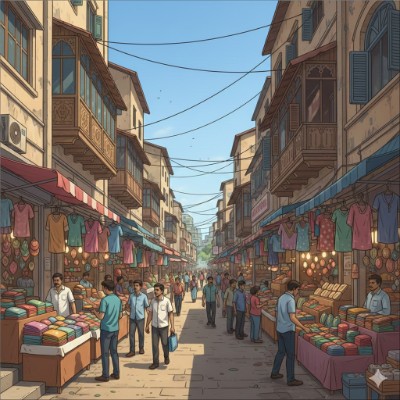
A12: The area around the mosque offers street kebabs, biryani, Mughlai meals, vegetarian snacks, sweets and Irani chai, especially around Crawford Market and Mohammed Ali Road.
Q13: Is Jama Masjid, Mumbai safe for visitors?
A13: Yes, the area is busy and generally safe. Visitors should stay alert in crowded lanes, keep belongings secure and follow mosque staff instructions.
Q14: Can I visit Jama Masjid, Mumbai during Ramadan?
A14: Yes, visiting during Ramadan is a unique experience, but expect large crowds during Taraweeh prayers and evening gatherings.
Q15: What makes Jama Masjid, Mumbai special?
A15: Its unique water-tank foundation, 1802 heritage, wooden interiors, and vibrant community atmosphere make Jama Masjid, Mumbai one of the city’s most historic and culturally rich mosques.